1. Dual-Pixel Disparity & Hardware Time-of-Flight (ToF)
Accurate portrait segmentation begins before any software blur filter is applied. Premium camera phones employ dual hardware depth sensing streams:
- Dual Pixel Phase Disparity: Every individual photo-site on modern main camera sensors is split into left and right photodiodes. By calculating the microscopic phase shift between left and right views, the ISP generates a high-density disparity depth map representing physical distance from the lens.
- LiDAR and ToF Pulsed Arrays: Emitting invisible vertical-cavity surface-emitting laser (VCSEL) pulses that bounce off physical subjects and return to a sensor receiver. This provides exact millimeter-accurate spatial depth measurements that function flawlessly even in pitch darkness.
2. Semantic Layer Segmentation
Early portrait modes applied crude binary mask cutouts: the subject was cut out like a cardboard silhouette, and the background was smeared with a uniform gaussian blur.
Contemporary neural engines utilize multi-layer semantic segmentation. The ISP breaks the scene down into distinct identified semantic layers: individual strands of loose hair, eyeglasses, earrings, clothing fabrics, forearms, background foliage, and sky.
Rather than applying uniform blur, the software creates a progressive optical depth gradient: objects positioned 20 centimeters behind the subject receive gentle defocus, while background streetlamps 15 meters away are transformed into authentic geometric bokeh orbs that emulate hexagonal or circular lens iris blades.
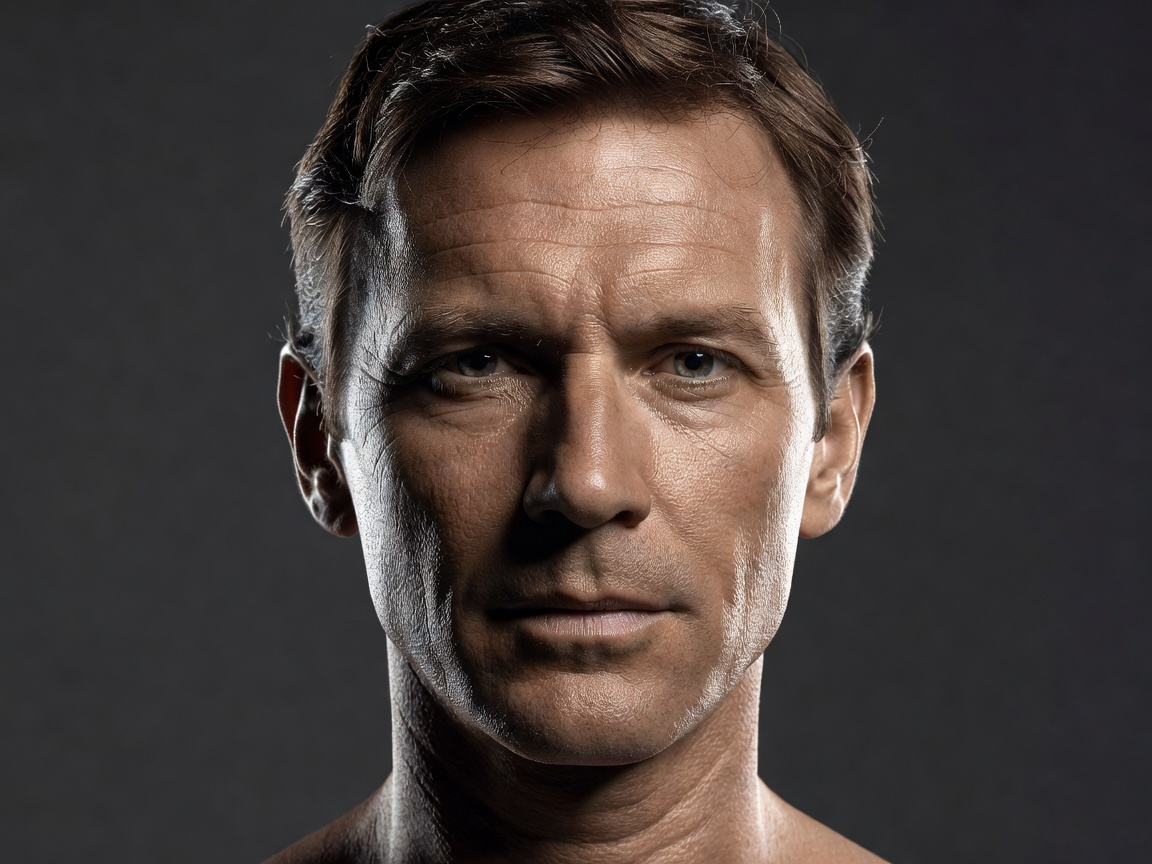
3. Accurate Skin Tone Science: Real Tone and Hasselblad Tuning
For decades, digital camera auto-exposure algorithms were calibrated primarily against pale skin tones, frequently resulting in ashen, overexposed, or unnaturally warm rendering of deeper melanin complexions.
- Google Real Tone (Pixel 10 Pro): Trained on diverse global color datasets to prevent deep skin tones from appearing artificially desaturated or muddy in low-light environments.
- OPPO & Hasselblad Natural Color Calibration: Formulates a smooth tonal rolloff curve across cheekbone highlights, preventing harsh specular sweat patches from clipping into pure white.
- Apple Photographic Styles: Real-time tone and color balance sliders that adjust undertones in the 3D skin layer without shifting background sky or greenery tint.
Computational Bokeh Benefits
- Adjustable aperture after capture: users can dial f-stop from f/1.4 to f/16 non-destructively.
- Lightweight form factor compared to hauling a 1.2kg dedicated 85mm portrait prime lens.
- Simulated vintage glass profiles (e.g. ZEISS Biotar, Sonnar, Planar swirly bokeh characteristics).
- Intelligent studio lighting simulation adding virtual softbox catchlights into subject eyes.
Persistent Artifact Limitations
- Thin transparent eyeglasses, fine pet fur, and semi-sheer fabrics can still trick segmentation models.
- Extreme edge transitions between subject shoulders and bright background skies can exhibit halo fringing.
- Occasional computational shutter lag when processing heavy multi-frame HDR depth passes.
4. The Role of Dedicated Portrait Focal Lengths
No amount of software blur can correct wide-angle facial distortion. When a photographer shoots a portrait using a 24mm wide lens at close range, the subject's nose appears unnaturally enlarged while ears appear pushed back.
Leading portrait phones solve this by tying their portrait modes directly to 70mm, 85mm, or 100mm optical telephoto lenses. This provides authentic physical optical perspective compression, ensuring natural facial proportions before computational bokeh layers are engaged.