1. The Physics of Quantum Efficiency & Full-Well Capacity
Every pixel on a CMOS sensor acts as a microscopic bucket that converts incoming photons into electrical electrons. Two fundamental physical characteristics govern its low-light performance:
- Quantum Efficiency (QE): The percentage of incident photons that successfully create an electron pair. Modern stacked CMOS back-illuminated (BSI) sensors boast QE ratings between 70% and 85%, maximizing every photon that hits the sensor surface.
- Full-Well Capacity (FWC): The total electrical charge a single photodiode can collect before saturating. Sensors with larger physical pixel sites (such as the Sony LYT-900 found in the Xiaomi 15 Ultra and OPPO Find X8 Ultra) boast vastly higher full-well capacity, preventing bright streetlamps from clipping into harsh blown white halos while extracting subtle shadow detail in dark alleys.
2. Advanced Pixel Binning: Tetra, Nonacell & 16-in-1 Architectures
High megapixel counts (50MP to 200MP) offer astounding detail in daylight, but tiny individual sub-micron pixels (such as 0.56μm or 0.6μm) introduce severe thermal shot noise in dark environments. To overcome this, mobile ISPs utilize hardware-level pixel binning:
- Quad Bayer / 4-in-1 Binning (50MP to 12.5MP): Standard across Sony LYT and OmniVision sensors. Grouping four adjacent pixels into a single virtual 2.4μm to 3.2μm super-pixel radically increases signal-to-noise ratio (SNR) in dark environments.
- 16-in-1 Hexadeca-Binning (Samsung 200MP ISOCELL): Used in the Galaxy S26 Ultra and Honor Magic7 Pro periscopes. Groups 16 adjacent 0.56μm pixels into a giant 2.24μm composite pixel producing clean 12.5MP night captures.
3. Anti-Reflective Lens Coatings & Ghosting Suppression
In night urban environments, high-contrast point sources like neon signs, automotive headlamps, and building floodlights cause severe internal lens flaring and green ghosting artifacts across cheap plastic lens stacks.
Partnerships like Vivo with ZEISS (featuring the legendary ZEISS T* anti-reflective coating) and Xiaomi with Leica (using ultra-low dispersion ALD coating) apply atomic-scale physical vapor deposition coatings across the outer glass lens surfaces. These coatings suppress stray light reflections down to less than 0.1%, ensuring that night cityscapes remain rich in deep blacks without milky haze or spurious secondary reflections.
Night Photography Strengths
- Ability to capture handheld scenes in near total darkness (<0.5 lux).
- Preservation of warm environmental ambient lighting without sickly yellow color cast.
- Elimination of motion blur on static architecture via stabilized 2-second exposures.
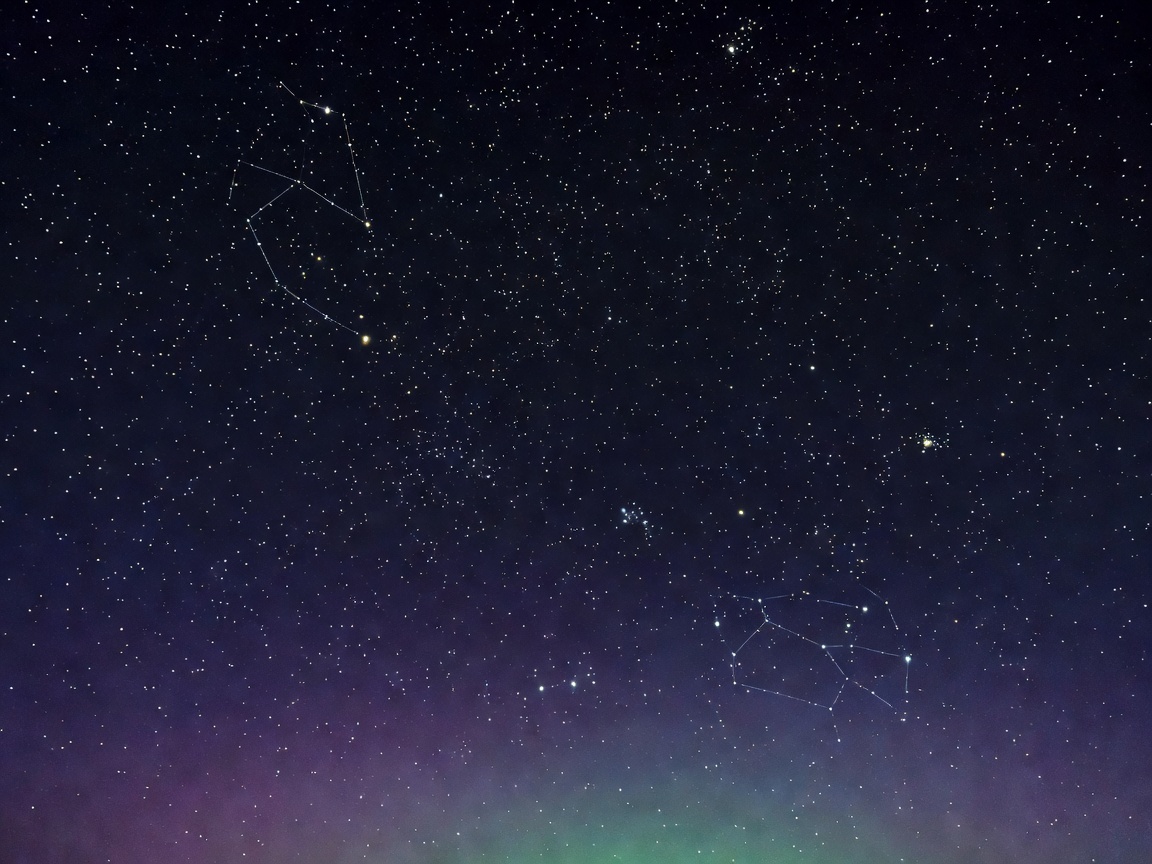
- Dedicated astrophotography modes that align starry skies while compensating for Earth rotation.
Common Pitfalls to Watch For
- Moving subjects (people, pets, traffic) can appear ghosted across long computational multi-frame merges.
- Aggressive AI noise-reduction algorithms that smear skin texture and clothing fabrics into plastic-like smoothness.
- Over-brightening scenes to look like midday, sacrificing the atmospheric mood of authentic night.
4. Zero-Shutter-Lag Dual-Conversion Gain (DCG)
The latest generation of sensors (including the Sony LYT-818 on the Vivo X200 Pro) incorporate dual-conversion gain hardware. In dark scenes, each pixel readout switches simultaneously between high-gain mode (which amplifies faint shadow details without elevating readout noise) and low-gain mode (which captures highlights before they clip).
Because both gains are sampled simultaneously on a single exposure readout, the camera eliminates ghosting artifacts caused by moving cars or walking pedestrians, a limitation that plagued older sequential multi-bracket night modes.